In Oulu, I met teenagers researching how AI affects their world
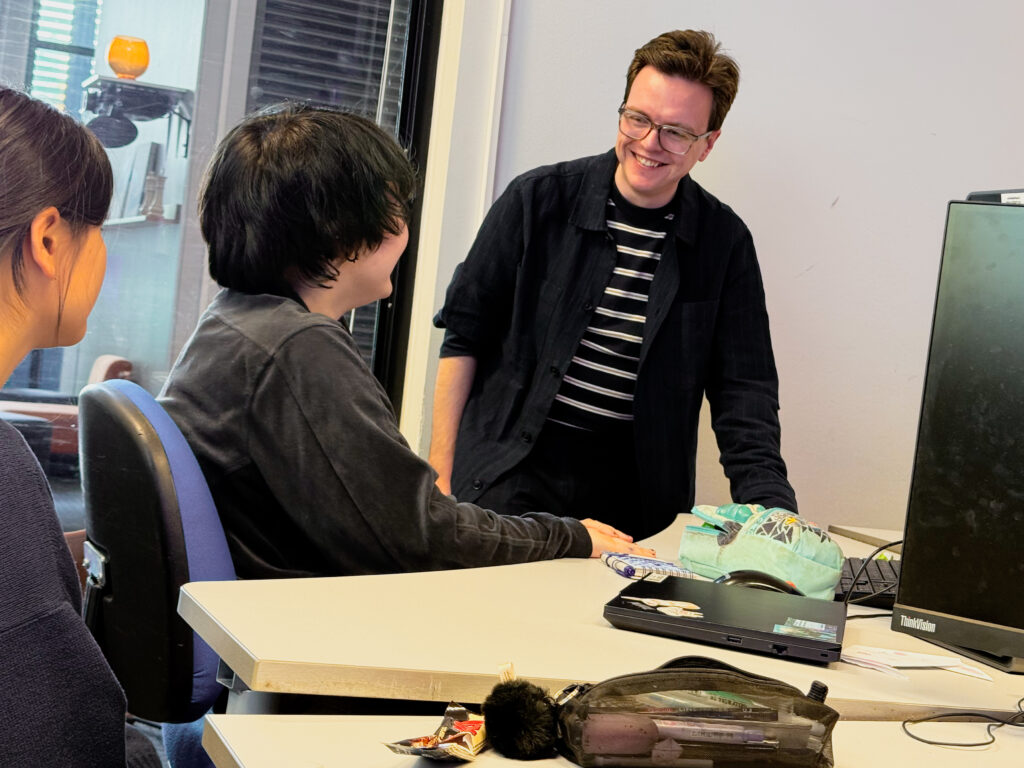
I walked into a university lab in northern Finland to find a room full of teenagers working not as students, but as paid researchers.
They were doing something different this summer, spending it as co-researchers exploring AI as part of the University of Oulu’s AI Youth Ambassador programme.
As part of my Churchill Fellowship, I was there to see how academic researchers from the INTERACT and Information Studies units were engaging with these young people in conversations about AI.
Each summer, the university hosts a two-week AI Youth Ambassador programme where around 30 young people from across the city are challenged to think about how AI affects their lives, what AI systems do with their data, why that matters, and what kind of technology futures they actually want.
What’s really interesting is that the AI Youth Ambassadors are treated as co-researchers, and are paid as staff of the University. This is a fantastic opportunity for them to earn while they learn, all the while contributing to research which could help influence their peers’ interactions with technology.
Afterwards, they are encouraged to run their own educational event, such as a school presentation or performance, to share what they have learned about AI’s impact on young people. I learned that two ambassadors from a previous cohort have contributed to writing a paper based on their findings, which shows the programme can create meaningful youth research outputs, not just a learning experience.
To understand how the programme works in practice, I spent two days in Oulu observing the team and joining in with some of the activities with the ambassadors.
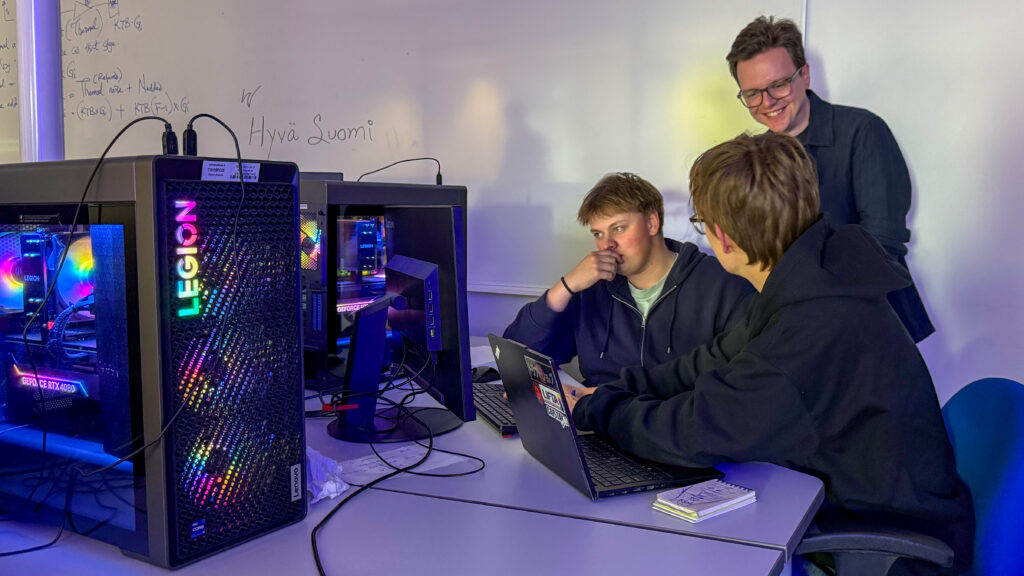
Pauli Klemettilä led an activity where students built their own language model step-by-step using the Little Language Machine tool. Rather than presenting LLMs (like ChatGPT and Copilot) as a mysterious black box, the tool helps people see what’s going on behind the scenes including the data, the fine-tuning, and the human design decisions that go into making these systems. We spoke about how rather than only teaching people to use AI tools, there is value in helping them understand the underlying mechanisms. I can see how this approach supports informed and critical use.
Megumi Iwata ran a session called “Can you fake AI?”, using the Breakable Machine tool. In this activity, you need to try to trick a computer vision system into classifying you as a nurse or a police officer. It challenges you to think about what data was used to train the model you’re trying to spoof. How could you trick it into thinking you are a nurse? The activity was a good way to help learners understand how AI systems often make decisions based on patterns in their training data, rather than any real understanding of the world.
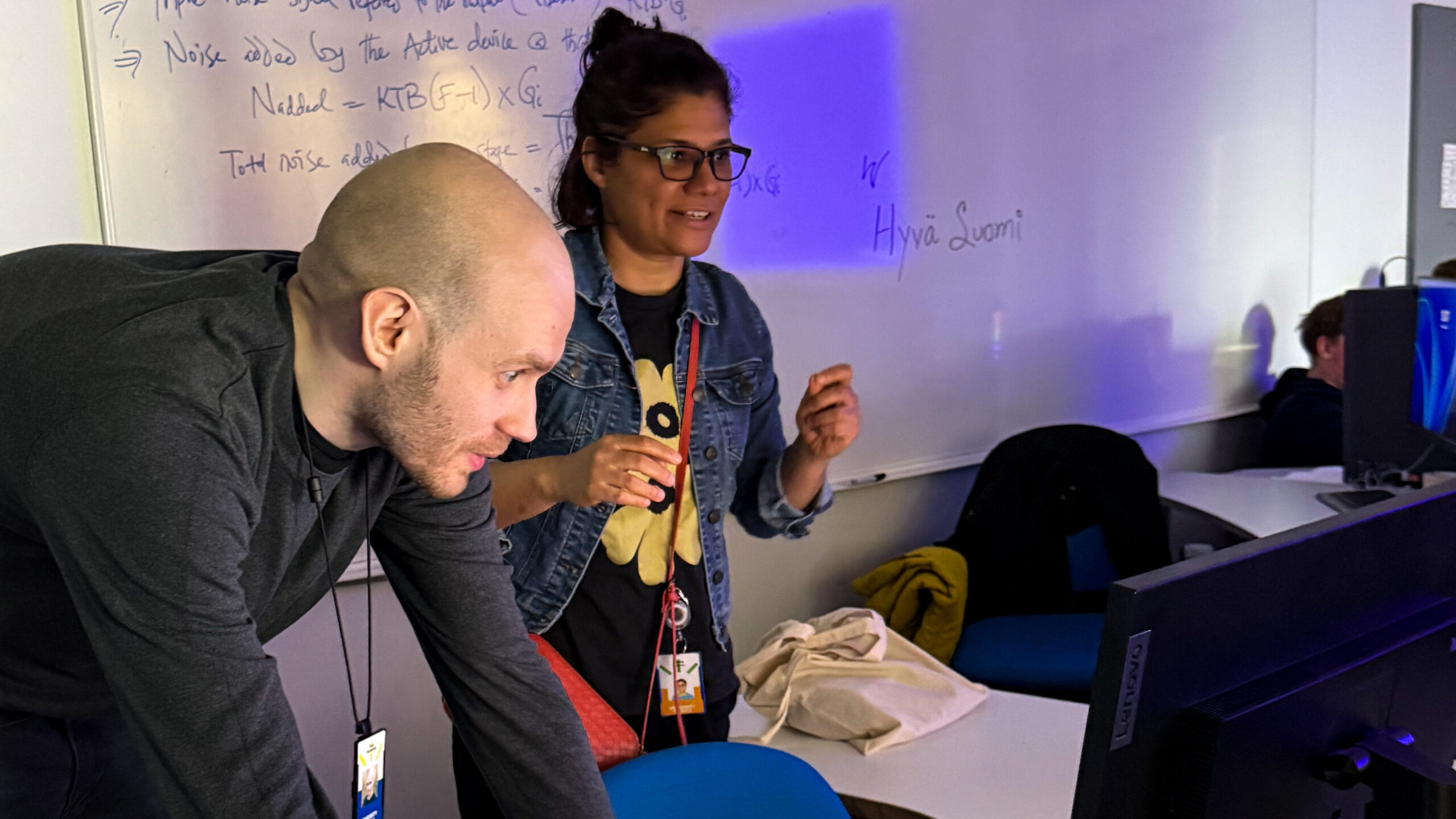
What I appreciated most about the visit was the respect given to young people’s views. They were not treated as passive learners, or naive people who were to be warned about the dangers of AI. They were treated as young adults who already have experience of AI shaping their world.
If we want young people to understand AI, we should not just teach them how to use it. We should give them space to explore, challenge the systems, and help shape what comes next.
The work is supported by a wider team of researchers at the University of Oulu, including Sumita Sharma, Netta Iivari, Leena Ventä-Olkkonen, Heidi Hartikainen, Eva Durall Gazulla, Tonja Molin-Juustila, Yucong Lao, Megumi Iwata and Pauli Klemettilä.
📍University of Oulu, Finland
Craig Steele