How we helped professional footballers protect their WhatsApp group chats
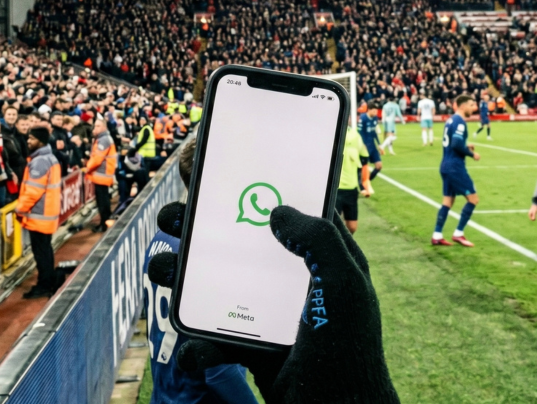
We recently worked with PFA Scotland, the independent trade union for professional footballers in Scotland, to deliver a short course about staying safe on WhatsApp.
Team group chats are an essential part of football culture. It’s a way for players to make plans as well as share jokes and boost team morale. But they’ve also become a high value target for scammers.
Recent news stories talk about how footballers in the English Premier League and EFL have had their mobile numbers get into the hands of scammers. And, in some cases, have had team group chats infiltrated.
Why WhatsApp groups are targeted
We discussed why football players are such attractive targets for “social engineering”.
Group chats can be a goldmine. Anything from injury details, to sensitive “insider” banter could be hugely valuable in the wrong hands.
And there’s a lot at stake for the players. A breach could lead to bad press, or a loss of trust between their teammates and issues with the club.
Hacking the human
Our core message was that the weakest link in any security system isn’t the app, it’s the user.
Apps like WhatsApp are technically very secure, so criminals “hack the human” instead. They craft convincing messages incorporating Authority, Urgency, and Emotion – our checklist – to trick players into adding strangers to chats or sharing teammates’ private numbers.
Defensive tactics
We focused on simple, practical steps players can take straight away. For example, we showed them how to change the group chat settings so only admins can add new members. This removes one of the easiest ways for a scammer to get into a group.
We also worked through setting up a basic verification process – so if someone claims to have a new number, there’s a clear way to check it’s really them.
Another useful feature was disappearing messages, which automatically deletes messages after a set time. This is particularly useful if a phone is ever lost, as it stops the entire history of a chat being seen.
PFA Scotland are passionate about protecting players. Craig and Daniel provided a clear and knowledgeable insight to our members on how to protect themselves online. They highlighted why people are targeted, how to protect themselves against this and where the weaknesses lie in the digital world. We found this really helpful and were reminded that complacency can be costly.
— Craig Beattie, Player Relations Officer, PFA Scotland
By the end of the session, we helped players and reps make sure what happens in the group chat stays in the group chat.
Craig Steele
Digital Skills Education
Book this course
Want to secure your squad? Get in touch with us to find out more about our WhatsApp and cyber safety training.