Helping young creatives own their space online
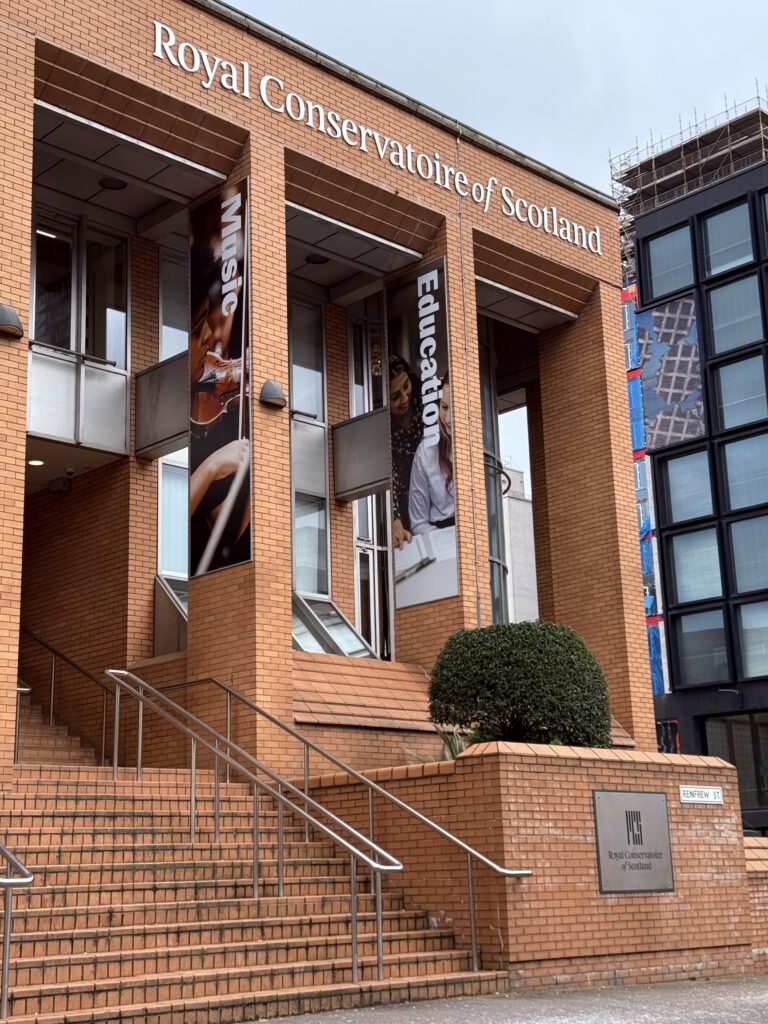
Recently I visited the Royal Conservatoire of Scotland – Scotland’s national conservatoire for music, drama, dance, production, film and more.
I was there to work with students on their Access programme, which supports young people who are thinking about applying, and helps them build the skills and confidence needed for conservatoire study.
I led a session called “Owning your space online” about how creative people can use the internet to share their work, apply for opportunities, and be found by the right people.
Social media is useful, but it’s borrowed space
From the start I was clear about what the session definitely wasn’t. I wasn’t going to tell young creatives they need to post constantly, or chase every new social media platform.
The young creatives said they are often told to “put themselves out there”. And while that advice comes from a good place, they said it can quickly become exhausting. “You need to post everyday”, “Why aren’t you on TikTok?”, “Have you thought about starting a podcast?!”
They told me they sometimes feel pressure to make the work, document the work, promote the work, and then package it all neatly for whichever platform happens to be demanding attention that week.
I don’t want young creatives to become dependent on an algorithm run by tech billionaires.
But I do want them to understand how digital spaces work, and how they can use them to their advantage.
What platforms should you focus on?
Social media platforms still matter, but not every platform is right for every creative practice. A dancer, a composer, and a costume designer will all need very different online spaces.
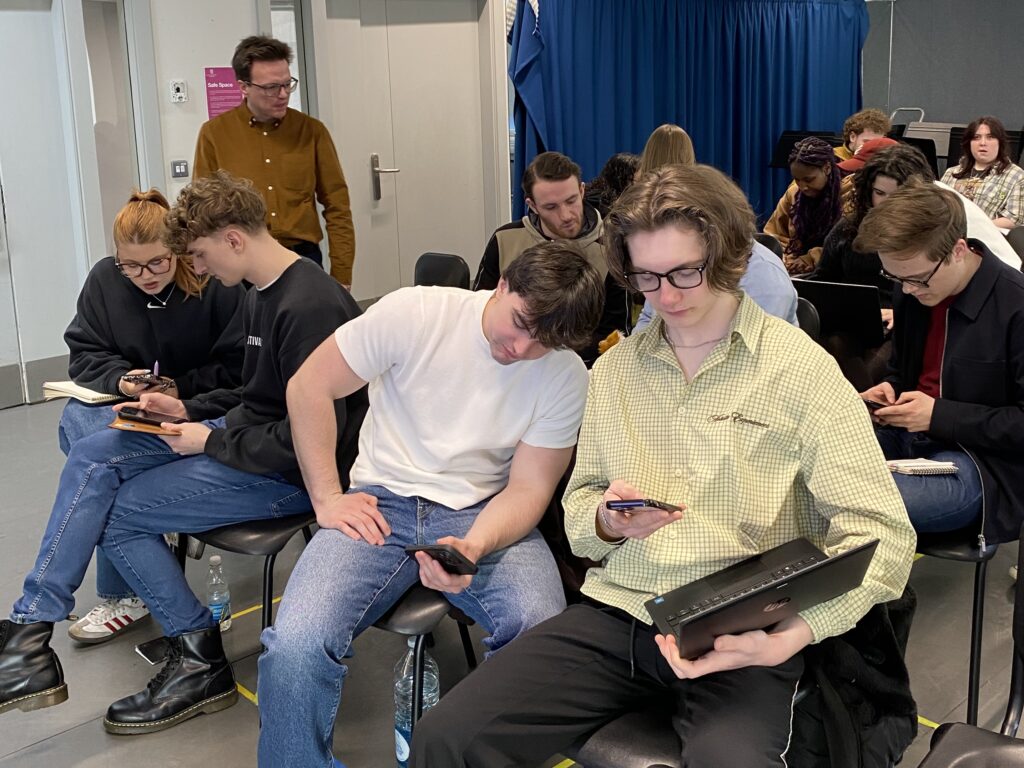
During the session I led an activity that got the students to think about what platforms make the most sense for their practice, and which ones aren’t worth focussing energy on.
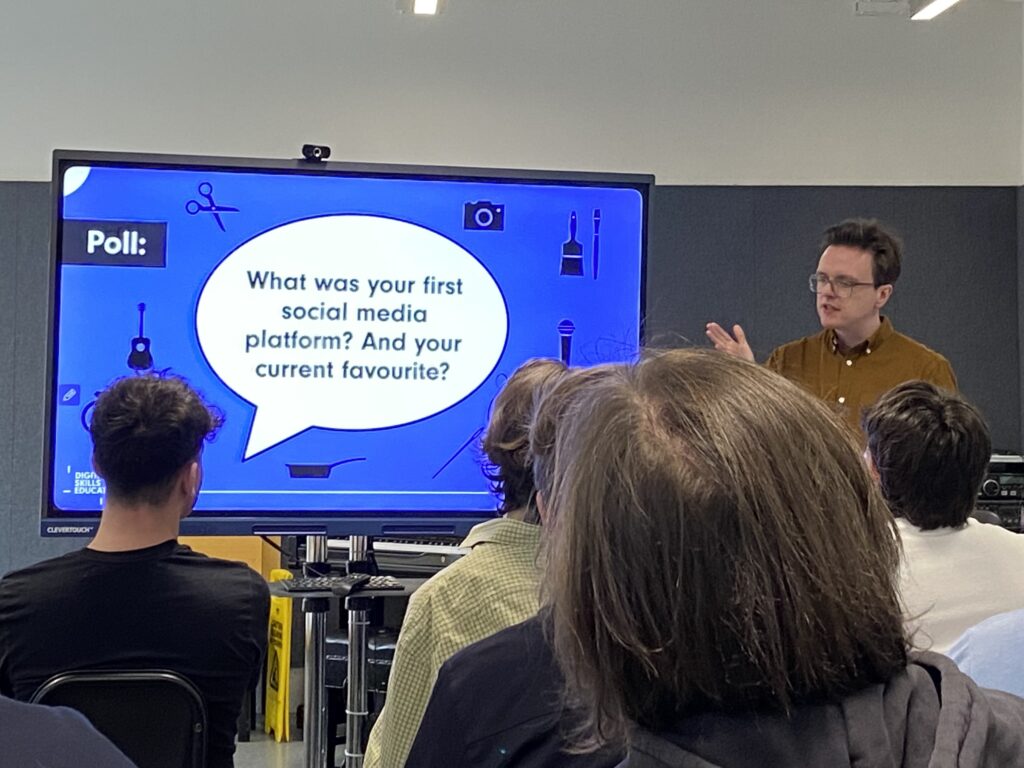
But platforms can change too.
We spoke about some recent examples where social media sites have become less useful, less safe, or no longer aligned with their values. Like Instagram‘s push towards Reels and video, and how the audience changed when Twitter became X.
If your professional presence only lives on someone else’s platform, you are building on borrowed space.
What does it mean to own your space online?
Owning your space online doesn’t mean abandoning social media. It means having somewhere stable to point people back to.
It could be as simple as having your own domain name, an email address you control, and a simple website or landing page. You might want a mailing list too.
Your website needs to answer some simple questions: Who are you? What do you do? How can someone contact you?
If someone is thinking about casting you, hiring you or inviting you to collaborate, they should be able to understand what you do quickly.
Learning from working creatives
I’m also very grateful to the brilliant working creatives who shared examples of how they are using their digital spaces.
- Adiza Shardow shared how as an actor and writer she uses platforms like Spotlight and Instagram to showcase her work, promote upcoming productions, and help casting directors find her.
- Filmmaker Ross Hogg shared how his personal website, Vimeo and Instagram help people find his animation and filmmaking work.
- Nathan Byrne talked about posting comedy sketches online, and how work that started as “daft” personal projects led to professional writing and presenting opportunities.
- Composer Andrea Possee explained how her website, showreel platform and social media help her reach people internationally, including a feature film opportunity that came from a Facebook post.
- Awkward Productions spoke about how a theatre company’s online presence can feel personal rather than corporate and help audiences get to know the people and creative voice behind their work.
The course was a brilliant way for young creatives to see the positive side of a world that can often feel dominated by technology. Through the tasks and discussions, everyone was given the opportunity to explore how their own creative practice could be represented effectively online to generate more work opportunities for them.
I would highly recommend this course for any creative agency, and we look forward to bringing Craig back to support our students further in understanding the rise of AI within the arts.
Edward McGurn, Programme Leader for Access Courses, Royal Conservatoire of Scotland
I had a great afternoon working with the students. As a small business owner (who also has a creative practice as a writer), I recognise we’re all working in a world where sharing online is often treated as part of the job.
Thank you to the Royal Conservatoire of Scotland for inviting me to work with the Access students, and to the students themselves for being such engaged and creative collaborators.
Craig Steele
Digital Skills Education
Book this course
If you work with young creatives, we can help them think more clearly about social media, websites, online portfolios and how they present themselves professionally online.