Can you be creative with AI?
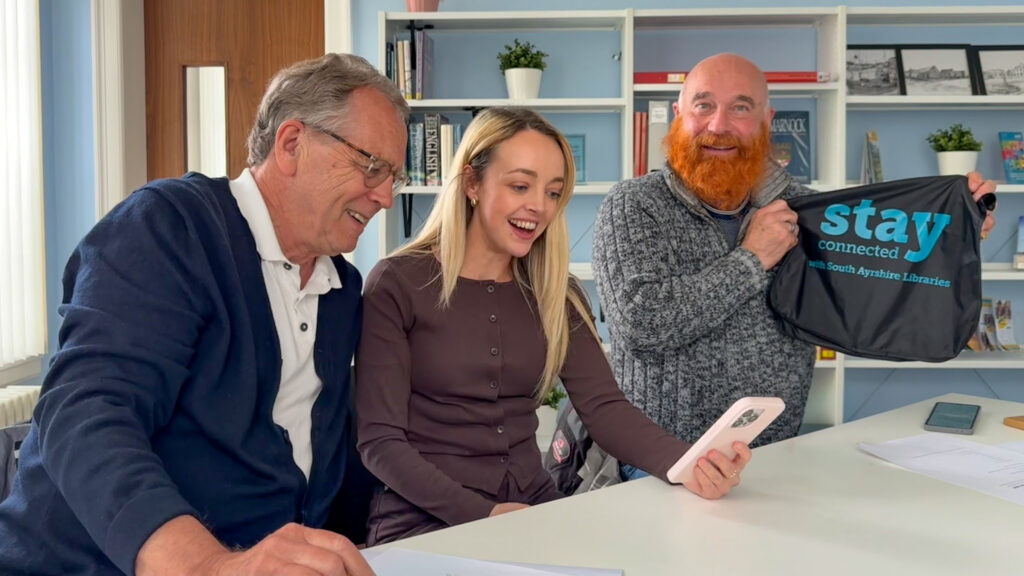
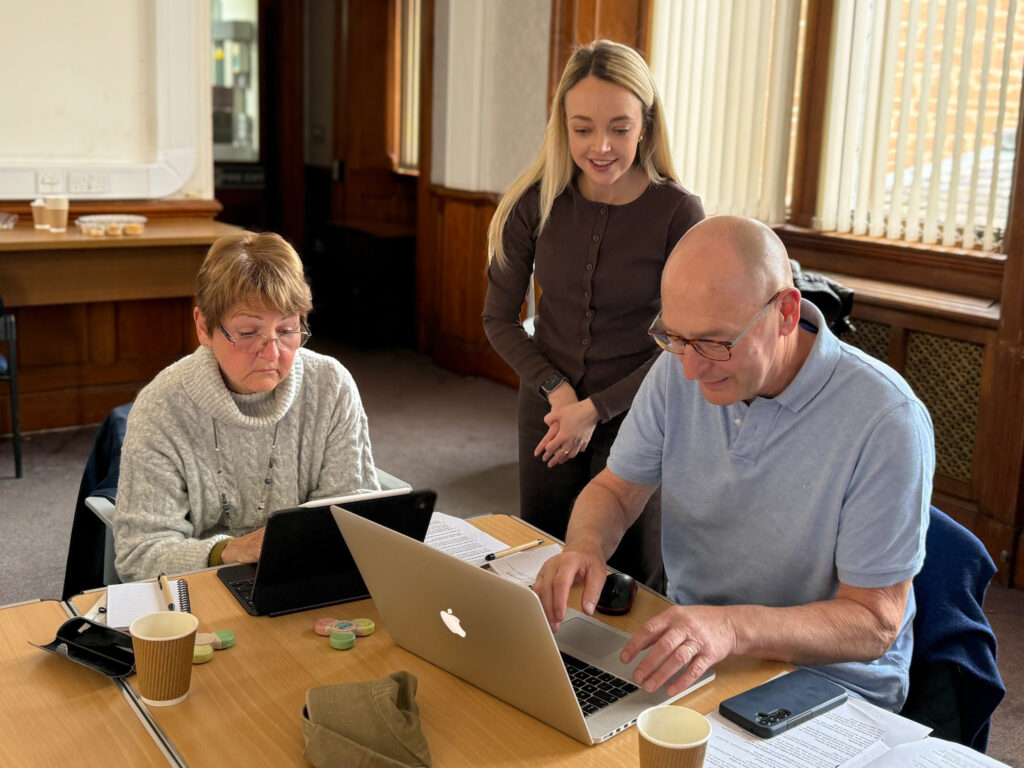
We ran creative AI workshops with South Ayrshire libraries, giving people the chance to experiment with Google Gemini’s music, writing, and image generation tools.
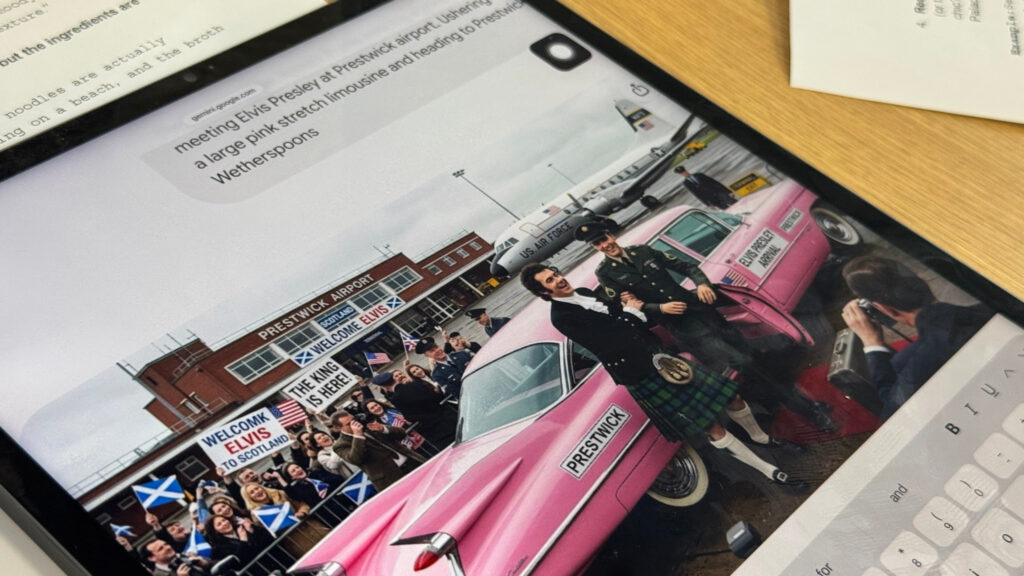
All Shook Up at Prestwick Airport
Picture Elvis and Robert Burns meeting at Prestwick Airport, stepping out of a pink stretch limousine. That’s just one of the images our learners created as part of the workshop.
It started a fun conversation about Robert Burns (I’d just been visiting some of the tourist spots in Alloway, so I enjoyed learning more) and he told me he couldn’t wait to share it with his Burns group on Facebook that night. He knew they’d find it funny too. It made me wonder what would have happened had The King met the Bard, maybe that would be a fun idea for a short story or play.
Another participant, a musician who plays in a band, wanted to explore the music side of things. He took the lyrics from a song that meant something to him, and prompted Gemini to transform them into the style of a Robert Burns poem. Watching him read it back was quite moving, actually. You could see he was struck by the way it turned the lyrics into something new, but kept the feelings behind the sentiment intact.
Then there was another participant who’d raised a guide dog, and had formed a real bond with her. She prompted Gemini to generate a poem about her love for the dog, and how she cared for it. When she saw the generated poem, you could see it touched her. All those happy memories came flooding back – and she now has a personalised keepsake to remind her of that time.
In both those examples, neither learner had expected to feel anything at all. They came in to try a bit of fun with AI, not expecting to be moved by it. We knew it was just a computer system, and that it couldn’t possibly have human emotions. And yet, somehow, it had tapped into theirs. It reflected their feelings back to them in a way they hadn’t expected, and didn’t quite know how to respond to.
There were plenty of silly moments too. One lady wanted to create a funny video of her dog doing daft things, like jumping out the window and over the garden gate. It made me wonder why she wanted to generate a video like that. She already had real videos on her phone of her dog doing funny things, so why generate one? Maybe she wanted to see a more exaggerated version of her dog as a heroic cartoon character or a little action hero. It’s just an interesting observation about how we interact with these tools, sometimes there is creativity in reimaging parts of our everyday life.
Impressed, but asking questions
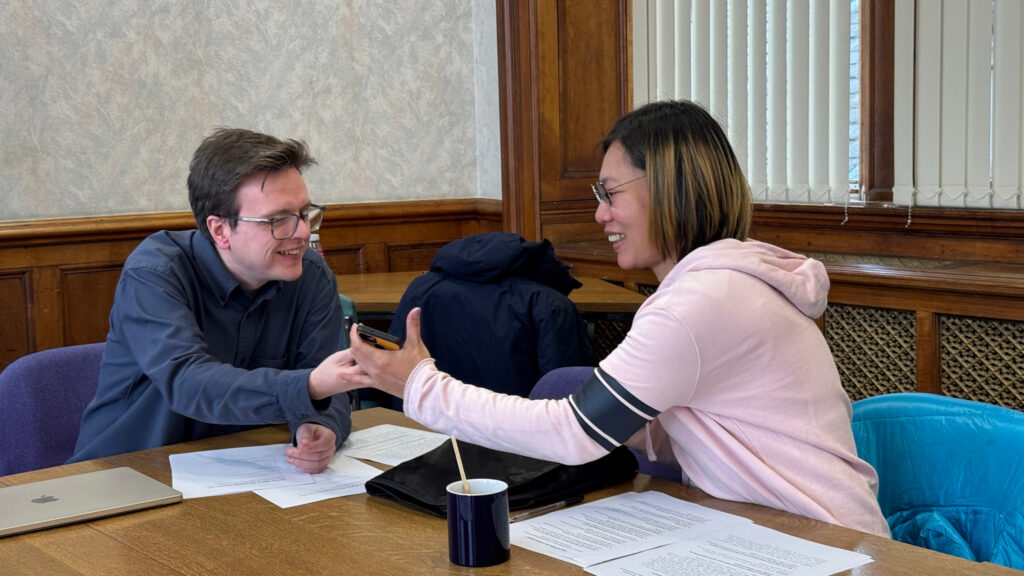
Most people in the room hadn’t used AI tools before. They had heard plenty about AI, but had never really had the chance to sit down and try it for themselves. And I think they were genuinely impressed by what Gemini could do.
But they were critical too, which was brilliant. People asked why the AI made certain choices. Could they trust what it produced? Was it just regurgitating things based on other artists’ work it had been trained on?
We talked openly about the risks, including misinformation, bias, privacy, copyright, and the importance of checking what AI produces.
We were just experimenting for fun, but it didn’t take long for people to see how these tools might pose real questions for creative professionals. AI can produce something fast. It can imitate a style. But it can’t replace a person’s creativity, their emotions, or lived experience. And no, it’s not going to replace Robert Burns either.
Why libraries are the perfect place to try AI
There’s a real gap when it comes to digital skills training like this. Not everyone gets the chance to try AI tools at work, some people are retired, and others or just don’t have family members around to show them how it works.
I’m really glad the library was able to offer these hands-on workshops.
Thanks again to South Ayrshire Libraries for funding and supporting this initiative to improve AI understanding in local communities.
Check out our courses of older learners.
Kirstie
Digital Skills Education
Bring this workshop to your community
Want to help your group get to grips with AI? We run practical, jargon-free workshops that demystify AI, and show how these tools work.
Get in touch to book your own workshop and start the conversation about AI today.