Does living in San Francisco make you more AI literate?
Does living in the technology capital of the world mean you’re more likely to be digitally skilled?
San Francisco is a city saturated in AI. Some of the biggest technology companies in the world have thousands of people working in offices around the Bay Area. But you don’t need to get past the chino-and-gilet security perimeter of a tech campus to notice it.


AI surrounds you in the city. Buses are wrapped in enormous banners promoting AI apps. Train stations are plastered with adverts for highly specialised tools made for people building AI themselves. Other billboards fight back with messages like “FIGHT AI SLOP” and phone numbers for satirical “AI dread” helplines.
And then there are the Waymos. Hundreds of driverless cars roam the streets, chauffeuring passengers across San Francisco’s grids and hills. It’s surprising how quickly you get used to being driven around without anyone sitting behind the wheel.
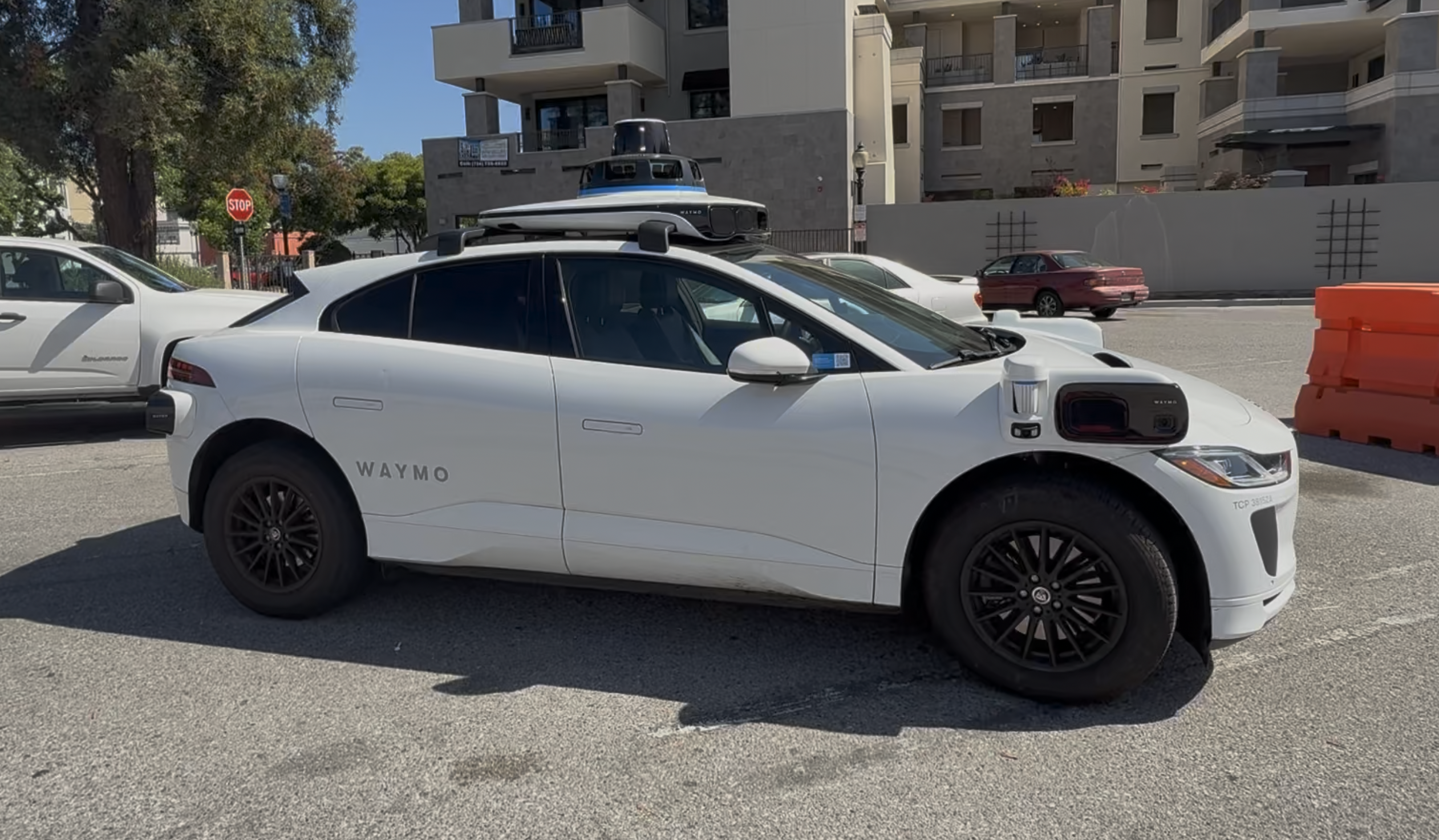
If anywhere should be the best place to learn about AI, you’d imagine it would be San Francisco. I wanted to find out if ordinary San Franciscans, those living outwith the tech bubble, were learning about AI.
I read about digitalLIFT, which runs free digital skills and AI workshops in libraries and community spaces around the San Francisco Bay area. I wanted to see it in action, so I got in touch with Sabrina Tam, their associate director of programmes. She invited me along to one of their AI workshops at a YMCA community centre in Western Addition, just south of Japantown.
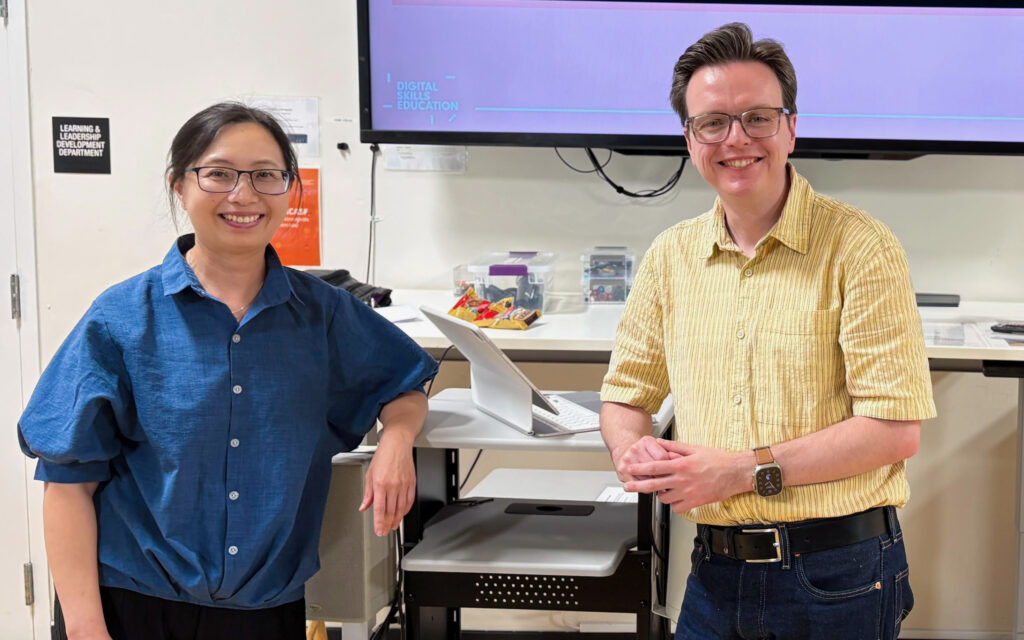
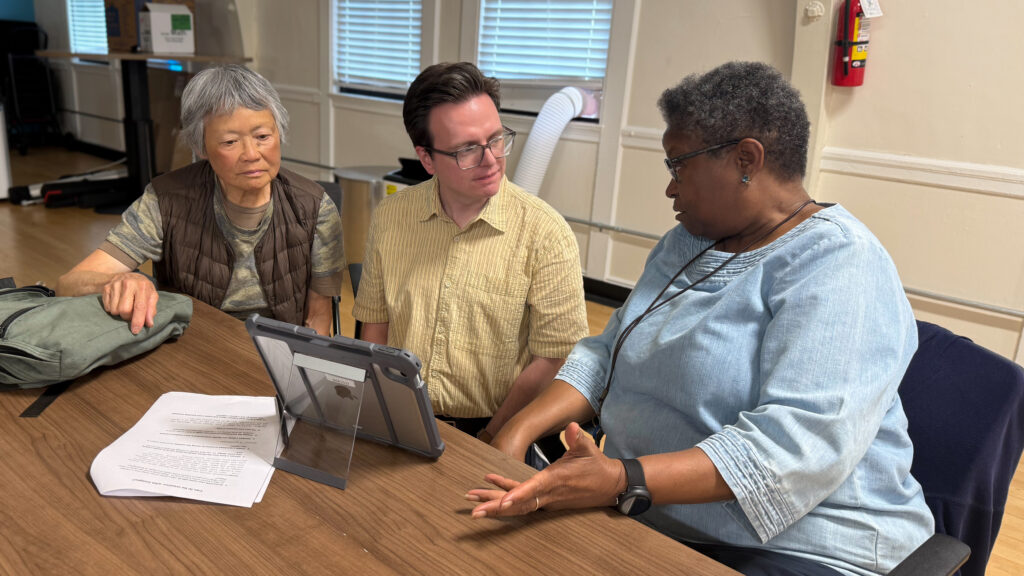
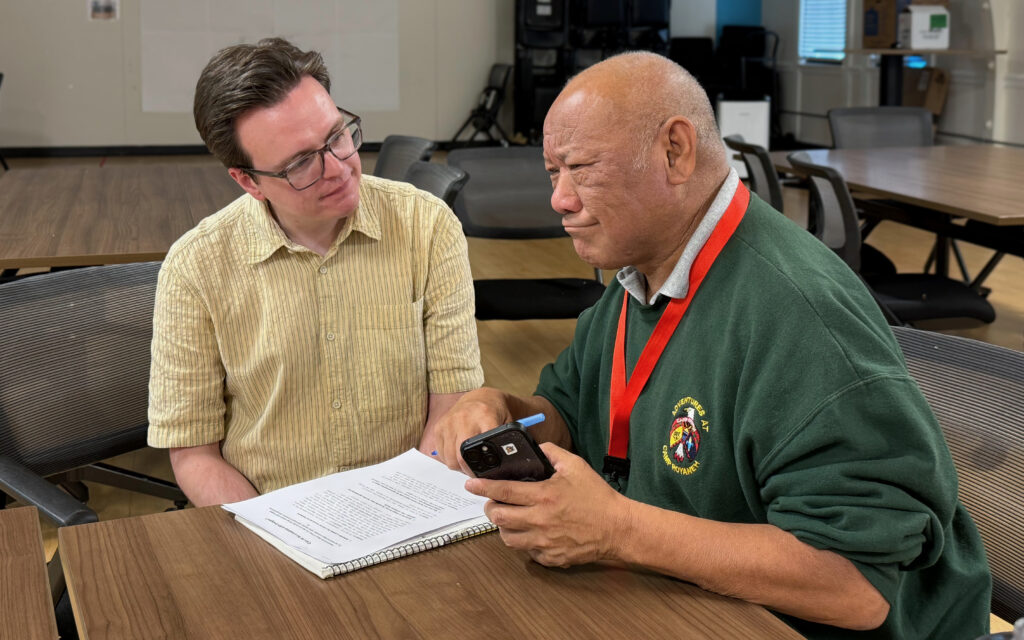
The workshops are free, although people are encouraged to sign up in advance. Most of the people who came along were older and fairly new to AI. A few told me their children work for tech companies and had been encouraging them to find out more about it. Others were simply curious. AI was constantly in the news, always being talked about in the city, and pretty difficult to ignore.
Before I visited, I wondered if people outside of SF’s tech scene would be experienced and and confident using tech. The reality was that most people were beginners, and had about as much experience as the adult learners I work with in Scotland.
However, this particular group seemed more curious and motivated to learn about it. Perhaps that’s because AI has become such a visible part of San Francisco’s identity. When the companies building these tools are your neighbours, maybe that makes people feel that understanding it matters.
I was immediately impressed by how keen they were. A queue had formed outside the door, I barely had time to connect my laptop before everyone was in their seats and ready to start.
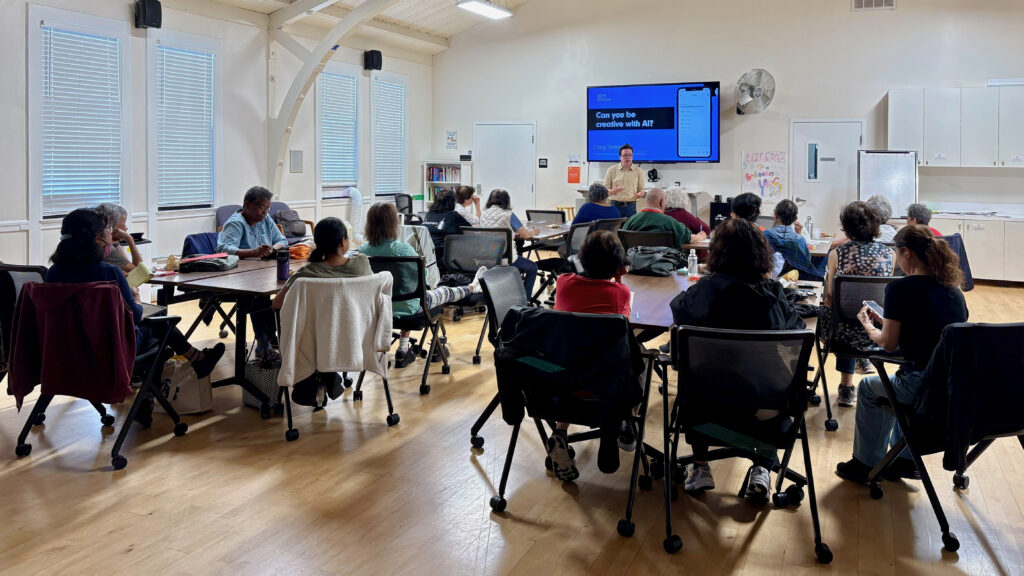
As part of the workshop, I led an activity asking learners to consider if AI could be a creative tool. I’d recently run something similar in South Ayrshire libraries, and I wondered if the San Francisco audience would respond differently.
We had fun experimenting with Gemini – generating images, songs and poems. Mostly messing around and seeing what happened. People enjoyed what they made, but it led to more critical questions about the apps we were using. “Do I own a song if I’ve made it with AI?” a man asked. Another woman wanted to know “Can I tell what songs the track I generated is based on?”
Those questions didn’t surprise Sabrina and Phil (another tutor from the DigitalLIFT team). Encouraging critical thinking is part of digitalLIFT’s approach to teaching digital skills. It’s a reminder that when people are learning to use AI, they’re just as interested in understanding the impact it has on them and their community – for better and for worse.
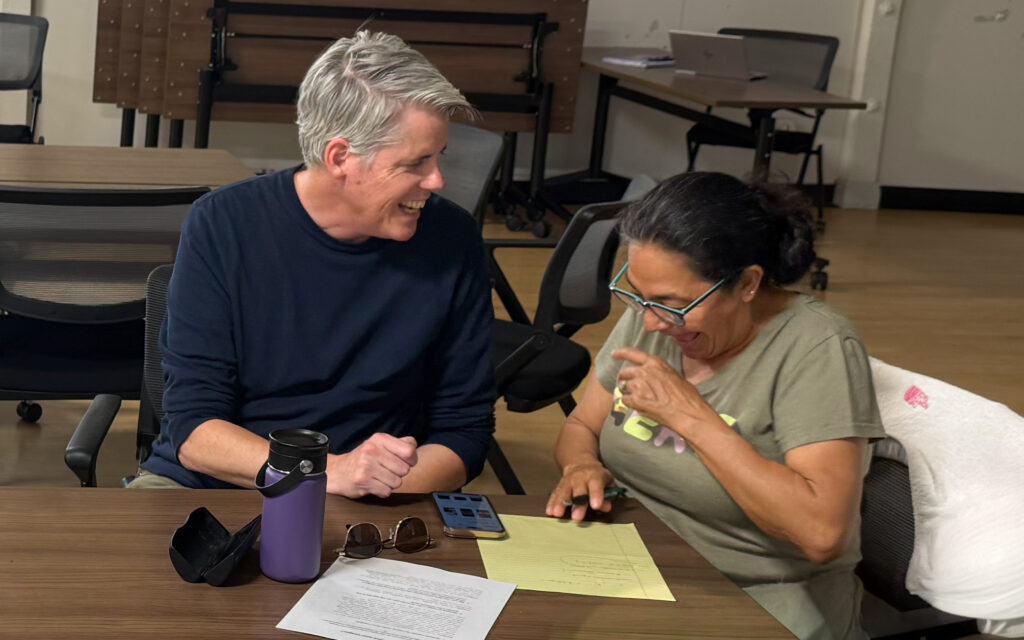
As someone who creates courses like this, listening to the concerns and questions is the best way to understand what to include the next time. It tells you what people actually care about and want to understand.
Privacy was another concern that came up unprompted. They wanted to know what happens to the information they put into AI apps, and what it’s being used for. This is another learning point that can be added into courses.
We might assume AI literacy will trickle down through experiences at work and school. But that leaves a huge number of people out.
So, does living in the technology capital of the world make you more AI literate? Based on the people I met, not necessarily. It might make you more curious about it, but it’s still something that has to be taught.
The people funneling into that community centre hadn’t picked up AI skills by osmosis just because they’d walked past the OpenAI headquarters. They were developing those skills in that room, with Sabrina and Phil.
It might be tempting to think Scotland is behind, because we don’t yet have robots delivering our bread and milk. But a free community workshop, in a place where people feel comfortable trying out new tools and asking “stupid” questions, is just as buildable in Glasgow as it is in Silicon Valley.
Craig was in California as part of his Churchill Fellowship, exploring how people are learning about AI outside of traditional classrooms. Find out more about the work of digitalLIFT on their website.